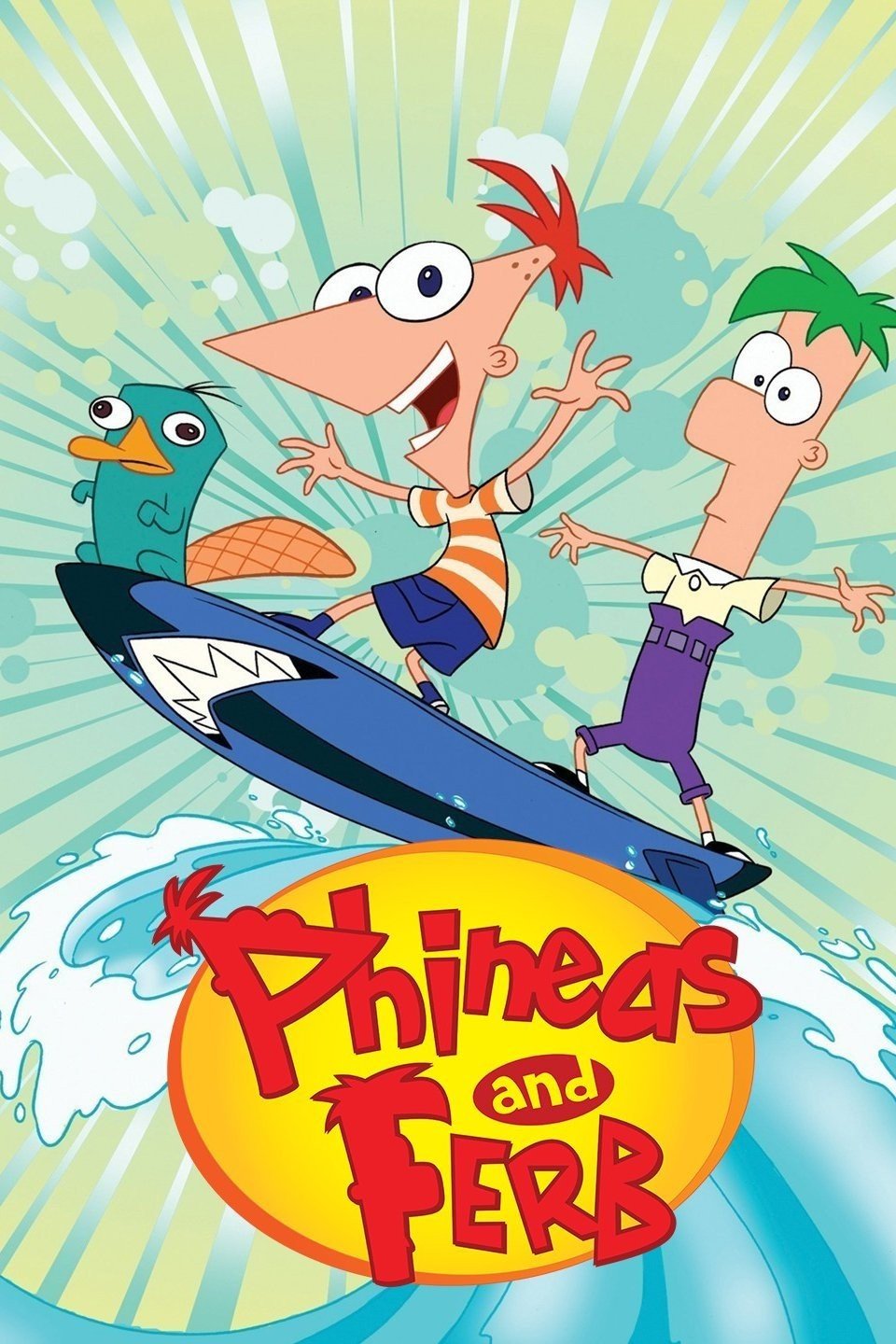
Ever wondered how one of TV's most inventive animated shows kept its spark alive, season after season? When Phineas and Ferb aired its third season, fans and critics alike tuned in to see if the boys from the Tri-State Area could maintain their dizzying pace of summer innovations, elaborate musical numbers, and captivating Agent P escapades. The resounding answer, according to Phineas and Ferb Season 3 Reviews, Ratings & Fan Reactions, was a definitive "Yes!" — with bells, whistles, and perhaps a giant robot fighting a platypus.
This wasn't just another batch of episodes; Season 3 represented a confident evolution, cementing the show's place in animated history with its clever writing, consistent humor, and surprising emotional depth. Let's dig into what made this season a beloved chapter for many.
At a Glance: Season 3's Triumphs
- Consistent Quality: Maintained the high bar set by previous seasons, avoiding the dreaded "sophomore slump" (or "third season slump," in this case).
- Creative Peak: Many fans consider this season to contain some of the series' most inventive plots and memorable songs.
- Character Depth: Continued to explore beloved characters like Dr. Doofenshmirtz and Candace, adding surprising layers.
- Strong Ratings: Garnered overwhelmingly positive user reviews, reflecting widespread audience satisfaction.
- Musical Gold: Delivered a slew of catchy, witty, and often genre-bending musical numbers.
- Expanding Lore: Introduced new concepts and occasionally delved into the broader universe of the Tri-State Area.
Setting the Stage: The Summer That Kept Giving
By 2011, Phineas and Ferb was a bona fide phenomenon. Its unique blend of imaginative summer projects, the parallel espionage adventures of Perry the Platypus, and Candace's perpetual, yet never successful, attempts to bust her brothers had captured hearts globally. Season 3, which began airing in March 2011 and concluded in October 2012, arrived with high expectations. Fans were already accustomed to the show's formula, but they also anticipated the unexpected, the new, and the hilariously absurd.
What truly set Season 3 apart was its daring to push the established boundaries of its own universe while staying true to its core. The writers, spearheaded by creators Dan Povenmire and Jeff "Swampy" Marsh, seemed to hit a stride that allowed for even more elaborate contraptions, funnier gags, and richer character moments, all while maintaining the show's signature sunny optimism. The series continued its impressive feat of appealing to both children and adults, a rare balance that few animated shows achieve with such consistent success.
Fan Reactions: A Symphony of Giggles and Genius
When we look at audience sentiment, specifically diving into the user reviews on platforms like Rotten Tomatoes, the picture for Phineas and Ferb: Season 3 is overwhelmingly positive. Users lauded the season for its relentless creativity, its laugh-out-loud humor, and its uncanny ability to craft storylines that felt fresh even after dozens of episodes.
Many reviewers highlighted the show's consistency as a major strength. "It never gets old," one user remarked on Rotten Tomatoes, a sentiment echoed across numerous comments. This consistency wasn't just about sticking to a formula; it was about continuously finding new variations within that formula. Phineas and Ferb's projects grew more ambitious, Perry's missions more intricate, and Candace's dilemmas more comical.
The musical aspect of the show, a cornerstone of its appeal, also received widespread acclaim in Season 3. From rock anthems to Broadway-style numbers, the show's catchy musical numbers continued to be a major draw, with fans often citing specific songs as highlights of their favorite episodes. These weren't just filler; they were integral to the storytelling, often advancing the plot, revealing character emotions, or simply serving as brilliant comedic punctuation. The sheer variety and quality of the songwriting were frequently mentioned as a reason for the season's continued success.
Beyond the gags and tunes, fans deeply appreciated the underlying heart of the show. Despite the fantastical elements, the genuine sibling bond between Phineas and Ferb, the unwavering love of their parents, and even the complicated relationship between Candace and her brothers, resonated with viewers. Season 3 deftly balanced its zany adventures with moments of warmth and genuine emotion, preventing the show from ever feeling hollow or purely gag-driven.
The Occasional Critique: Small Blips on a Sunny Radar
While overwhelmingly positive, a common (and very minor) critique, sometimes surfaced, concerned the repetitive nature of Candace’s attempts to bust her brothers. However, even these comments were often tempered by an admission that the humor derived from her failures remained strong. For many, the "formula" wasn't a flaw but a comfort, a reliable framework for endless variations. It's a testament to the show's writing that even its most predictable element was celebrated for its consistent comedic execution.
Diving Deeper into the Dissected Episodes: Moments That Mattered
Season 3 boasts an impressive roster of episodes, many of which are considered fan favorites and series classics. Let's unpack a few examples that showcase why this season resonated so profoundly.
One standout often cited is "Canderemy," where Candace tries to become Jeremy's "cool" girlfriend, leading to a surprisingly sweet and funny exploration of their relationship. Episodes like this demonstrated the show's capacity to delve into character development across the series without sacrificing humor or plot ingenuity. Fans loved seeing Candace navigate the complexities of teenage romance, even if her usual neuroses were never far behind.
Then there's "The Belly of the Beast," an epic adventure where the boys explore the inside of a giant platypus-shaped inflatable, while Perry tries to stop Doofenshmirtz's "Big Idea-Inator." This episode perfectly encapsulates the show's ability to create grand, imaginative scenarios, often with meta-commentary on storytelling itself. The sheer scale of Phineas and Ferb's creations continued to awe, pushing the limits of what a summer project could be.
"A Phineas and Ferb Family Christmas" brought holiday cheer and a surprisingly star-studded guest cast. It was a delightful departure from the usual summer setting, proving the show could thrive outside its established seasonal premise. These special episodes often allowed for unique storytelling opportunities and a chance to see the characters in new, festive lights. The ability to weave a strong narrative within a specific holiday theme, complete with original songs, further cemented the season’s creative strength.
The series continued to master its unique blend of parallel plots, where Phineas and Ferb's elaborate plans and Perry the Platypus's secret agent missions often intertwined in hilarious and unexpected ways. Episodes like "Phineas and Ferb Interrupted" or "Minor Monogram" highlighted the exquisite timing and intricate plotting that the writing staff consistently delivered. This intricate dance between two seemingly separate narratives, only for them to crash together at the opportune moment, became a hallmark of the show and was refined to near perfection in Season 3.
Ratings Rundown: The Numbers Don't Lie (Mostly)
The audience rating for Phineas and Ferb: Season 3 on Rotten Tomatoes paints a clear picture: overwhelming adoration. With a user score that hovers around a remarkable 90% or higher, the season stands as a testament to its consistent quality and broad appeal. This isn't just a high score; it represents a significant volume of viewers who actively sought out the platform to express their satisfaction, rating it highly out of genuine enjoyment.
Such high ratings for a show's third season are often difficult to maintain. Many series experience a dip in quality or viewer engagement after their initial seasons. Phineas and Ferb bucked this trend, proving that its unique formula and creative team could sustain, and even elevate, its storytelling. The consistent high marks indicate that fans felt the show continued to deliver on its promise of invention, humor, and heart, episode after episode.
This sustained high rating is also crucial because it reflects genuine fan engagement rather than just critical opinion. While professional critics often weigh in on pilot episodes or season premieres, long-running animated series for kids sometimes receive less specific critical scrutiny for individual seasons. Thus, user reviews become an incredibly valuable metric, directly showcasing how the audience, the show's ultimate intended recipient, perceives its quality. The virtually unanimous praise underscores the show's remarkable success in cultivating and maintaining a loyal, satisfied viewership throughout its run.
The Creative Engine: How Season 3 Kept Things Fresh
One of the most impressive feats of Phineas and Ferb Season 3 was its ability to avoid stagnation. How did a show with such a clear, established formula continually feel fresh and innovative?
Part of the magic lay in the creators' willingness to gently evolve the show's visual language. While the core aesthetic remained consistent, the evolution of its animation style subtly enhanced character expressions, background details, and action sequences. This wasn't a radical overhaul, but a continuous refinement that added polish and dynamism, keeping the visuals engaging as the stories grew more elaborate. The animation team managed to imbue even the most fantastical contraptions with a sense of believability, making the impossible seem just plausible enough for a summer's day.
Moreover, the writers were masters of self-awareness and meta-humor. Season 3 continued to lean into the show's signature meta-humor, often winking at its own tropes or the nature of animated storytelling itself. This kept the humor sharp and prevented the recurring gags from feeling stale. From characters commenting on the show's theme song to lampshading the repetitive nature of Perry's secret identity reveal, the show’s cleverness was always a step ahead, making viewers feel like they were in on the joke.
The development of secondary characters also played a crucial role. Isabella and the Fireside Girls, Baljeet, Buford, and even Stacy and Jeremy, all received episodes that expanded their roles and showcased their personalities, enriching the overall tapestry of the Tri-State Area. This prevented the show from feeling solely focused on Phineas and Ferb, adding layers of interaction and potential storylines.
Unpacking Dr. Doofenshmirtz: The Inator-Maker's Journey
You can't talk about Phineas and Ferb without talking about Dr. Heinz Doofenshmirtz. By Season 3, the hapless evil scientist had become a character as beloved as the titular brothers themselves, and his segments were often cited in fan reviews as a highlight. This season continued to build upon Dr. Doofenshmirtz's evolving backstory, adding more layers to his tragicomic past and making him one of the most complex, sympathetic, and consistently hilarious villains in children's television.
From his bizarre childhood in Gimmelshtump to his fraught relationship with his brother Roger, Doofenshmirtz's "evil" schemes were almost always rooted in some past trauma or petty grievance, making his motivations understandable, if utterly ridiculous. Season 3 offered more glimpses into this rich inner world, deepening his character without ever sacrificing the humor of his perpetual failures against Perry the Platypus.
His catchphrases, his "inators," and his often heartfelt (and hilarious) monologues became integral to the show's identity. Fans didn't just laugh at Doofenshmirtz; they rooted for him in a strange way, understanding that his "evil" was more a cry for attention and affirmation than true malevolence. This nuanced portrayal of a villain was a significant factor in the show's broad appeal, demonstrating that even a kids' show could feature characters with surprising depth.
Season 3's Lasting Echoes: Its Place in the P&F Pantheon
Ultimately, Phineas and Ferb Season 3 didn't just survive; it thrived. It cemented the show's status as a paragon of creative animation, blending consistent quality with constant innovation. For many fans, this season represents a period where the show was at its absolute peak, delivering episode after episode of highly entertaining, genuinely funny, and surprisingly heartwarming content.
It's a season that continued to influence how animated television could be structured, balancing episodic adventures with subtle character growth and ongoing gags that rewarded long-term viewers. The reviews and ratings from this era reflect a golden age for the series, a time when the formula felt perfected and the creative team was firing on all cylinders. This sustained excellence helped build the show's legacy, ensuring it remained a touchstone for intelligent children's programming for years to come.
The cultural impact of Season 3 also can't be understated. It provided countless memes, quotable lines, and songs that became earworms for a generation. It showed that animation could be clever without being cynical, and that wholesome fun didn't have to mean simplistic storytelling. It further solidified Phineas and Ferb's position as not just a popular show, but a genuinely groundbreaking one.
Burning Questions from Danville's Best
Was Season 3 as good as the earlier seasons?
According to fan reactions and ratings, absolutely! Many viewers felt Season 3 maintained, and in some cases even surpassed, the creative energy of Seasons 1 and 2, delivering some of the show's most memorable episodes and songs.
Did any new characters become popular in Season 3?
While Season 3 largely focused on deepening existing characters, it also gave more spotlight to recurring figures like Major Monogram's son, Monty, and introduced new, often one-off, characters that were immediately embraced for their comedic value or unique roles within specific episodes. The consistent cast, however, remained the primary draw.
Where can I watch Phineas and Ferb Season 3 now?
You can typically find Phineas and Ferb Season 3 available for streaming on Disney+, which hosts the entire series library. It's the most comprehensive way to catch up on or re-experience all the inventive summer fun.
Did Season 3 have any major plot developments or changes?
While Phineas and Ferb is largely episodic, Season 3 did contribute to subtle character growth (especially for Candace and Doofenshmirtz) and expanded on the overall lore of the Tri-State Area and the OWCA (Organization Without a Cool Acronym). It also featured several major specials and extended episodes that pushed the boundaries of its narrative scope.
Your Next Trip to the Tri-State Area
If you're a long-time fan or just discovering the genius of these two inventive brothers, the overwhelming positive sentiment surrounding Phineas and Ferb Season 3 reviews, ratings, and fan reactions confirms its status as an essential chapter in the series. It's a season packed with heart, humor, and boundless imagination. So, why not revisit those sun-drenched days? Grab some popcorn, settle in, and prepare for some of the most creative summer fun you'll ever witness. To truly immerse yourself in the season's brilliance, make sure to Explore Phineas and Ferb Season 3 and discover your own favorite moments.